Yellowstone holds the largest concentration of large mammals in the lower 48 states: bison, elk, pronghorn, moose, bighorn sheep, mule deer, gray wolves, coyotes, grizzly and black bears, and many more. Seeing them is one of the great joys of a visit. Doing it safely is your responsibility.
The rules that matter
- 100 yards (91 m) from bears and wolves — about the length of a football field.
- 25 yards (23 m) from all other animals, including bison, elk, moose and bighorn sheep.
- Never feed wildlife, and store food in your vehicle or in bear boxes.
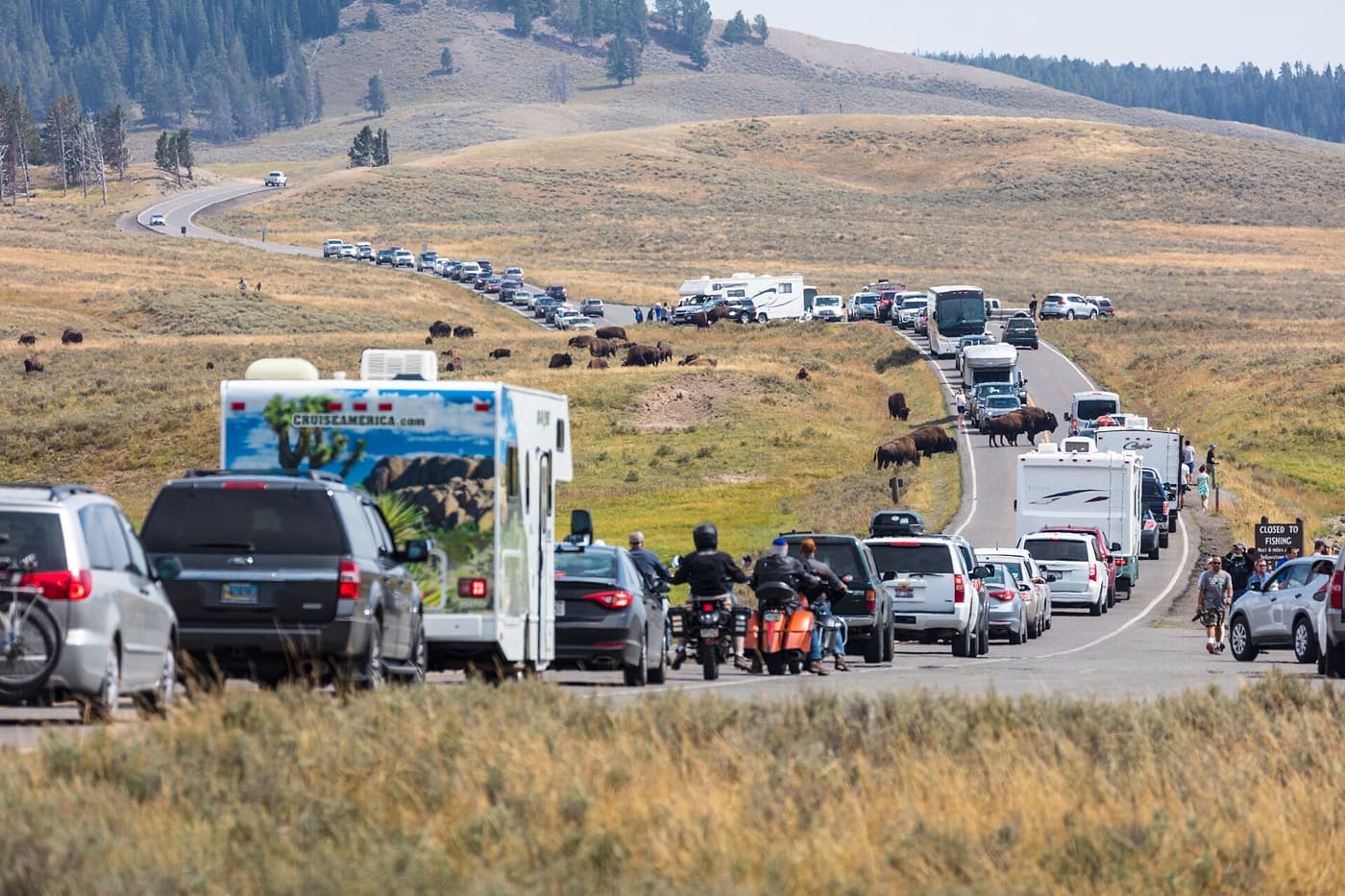
- Pull completely off the road to watch animals; do not stop in a traffic lane.
- If an animal moves toward you, back away. If it changes behaviour because of you, you are too close.
Where and when to see the animals
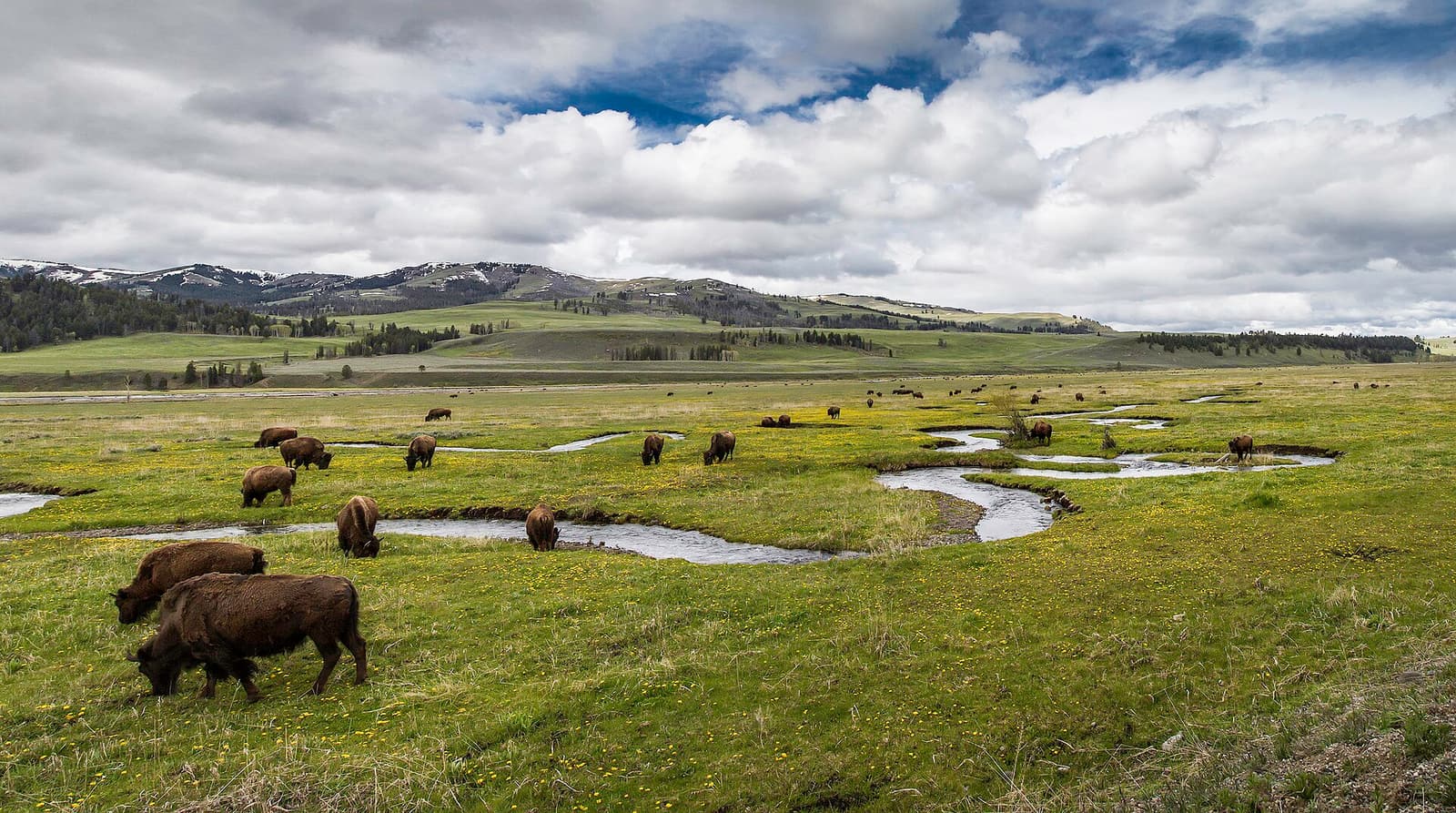
- Bison: almost everywhere in summer, especially Hayden Valley and Lamar Valley. The rut is in late July and August.
- Wolves: Lamar Valley and the northern range at dawn and dusk; Hayden Valley is also good. Winter is the best season.
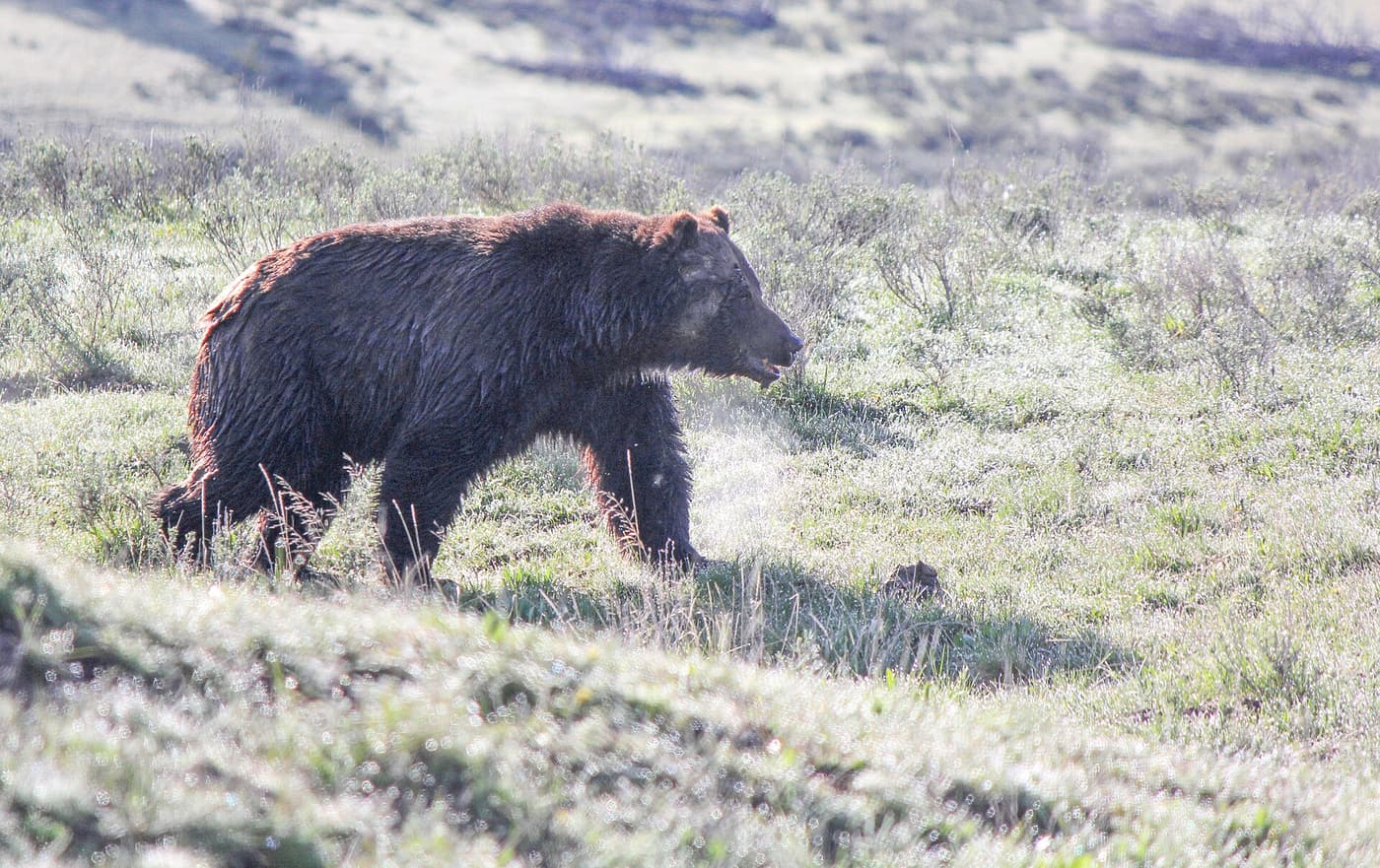
- Grizzly bears: Hayden Valley, Dunraven Pass and the Lamar area, especially in spring and early summer.
- Black bears: the forested road between Mammoth and Tower, and the Tower-Roosevelt area.
- Elk: Mammoth Hot Springs, the Madison River and Gibbon meadows; the rut is in September and October.
- Pronghorn: the open flats near Gardiner and in Lamar Valley.
- Moose: uncommon in Yellowstone; easier in Grand Teton.
Go with a guide
Wolves and bears are usually far away. A naturalist guide with a spotting scope, who knows where packs and bears have been seen in recent days, makes an enormous difference. These are the wildlife tours we recommend:
 Naturalist-led wildlife tour from €292
From West Yellowstone: Lamar Valley Wildlife Tour by Van
Lamar Valley is a long drive from West Yellowstone, and this tour makes it worthwhile: a naturalist guide brings spotting scopes and binoculars and knows where to look for wolves, bears, bison and pronghorn. Strong reviews.
- Naturalist guide
- High-powered spotting scopes and binoculars
- Van with large windows
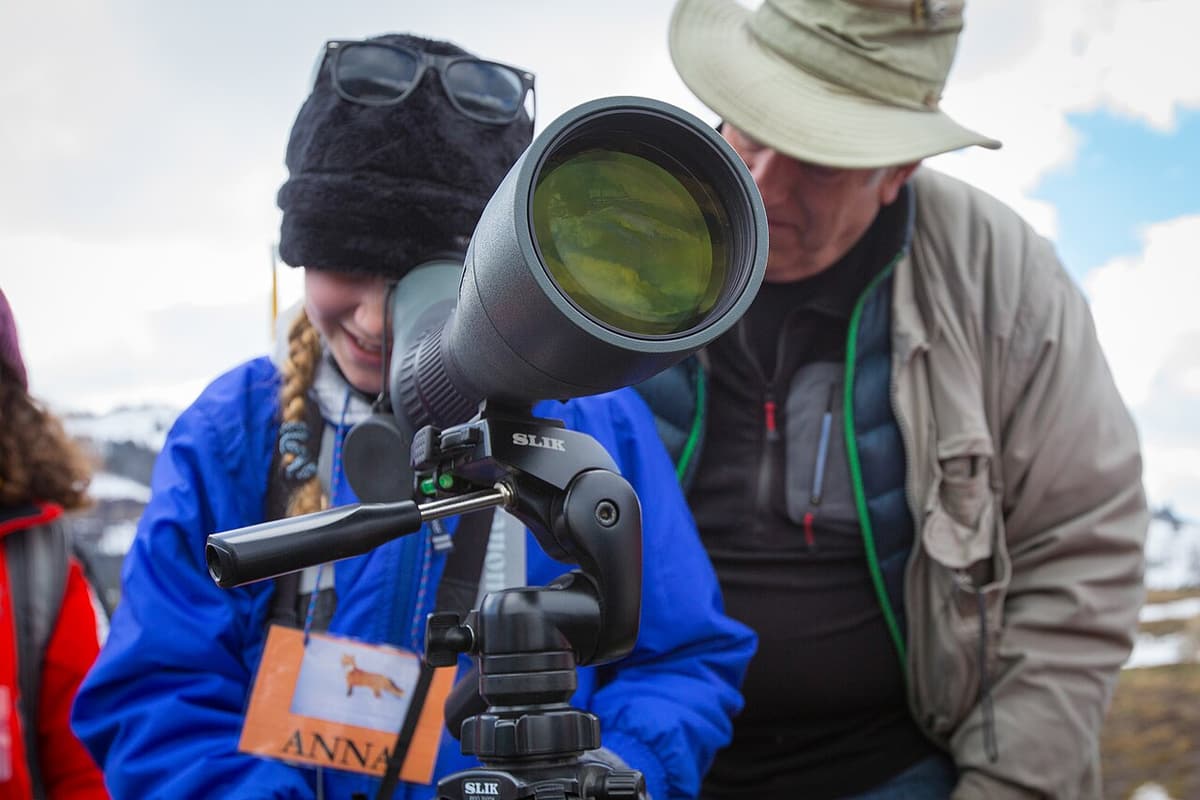 Guided hike from €192
Lamar Valley: Safari Hiking Tour with Lunch
Wildlife watching on foot with local guides: you hike into the Lamar Valley and stop to scan with binoculars and a spotting scope. A different, more immersive experience than watching from the road — and safer with a guide carrying bear spray.
- Watch bison, pronghorn, bears and wolves from the trail
- Binoculars and spotting scope
- Lunch included
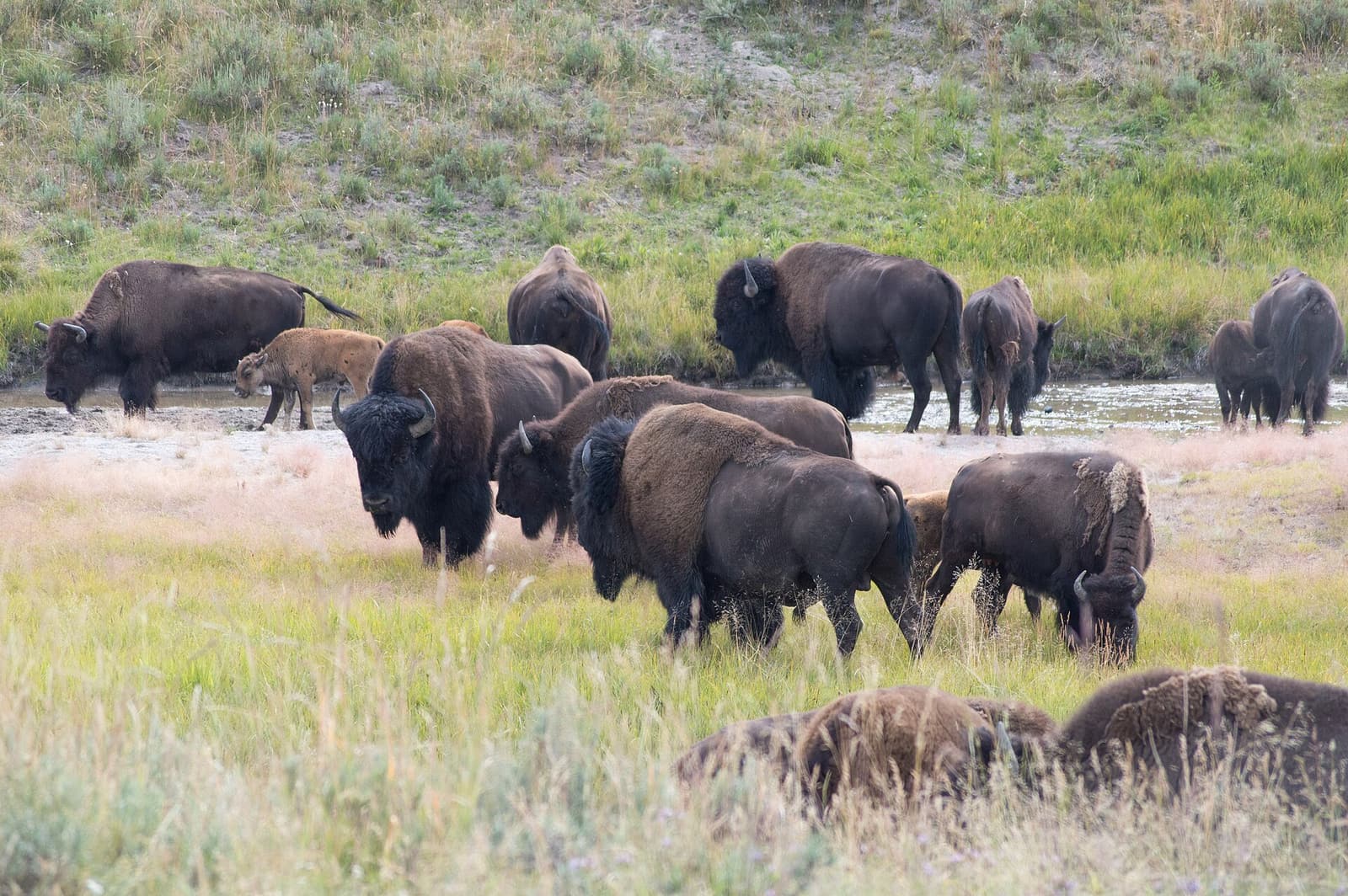 Private evening tour from €345
From West Yellowstone: Private Guided Sunset Wildlife Safari
Animals are most active towards dusk, and this private tour heads out for the evening light, looking for wolves, bears and more, with geysers and hot springs along the way. A good add-on to a day of exploring on your own.
- Evening wildlife hours
- Look for wolves and bears
- Geysers and hot springs along the way
Private wildlife tour from €425 Yellowstone: Privately Guided Safari/Scenic Tour with Lunch!
A private safari-style day built around wildlife, with a guide who knows where bison, elk, bears and wolves have been seen recently, plus scenic stops. Lunch and snacks are included. Meeting points depend on the option you choose.
- Look for bison, elk, bears and wolves
- Deli-style lunch and snacks
- Private group
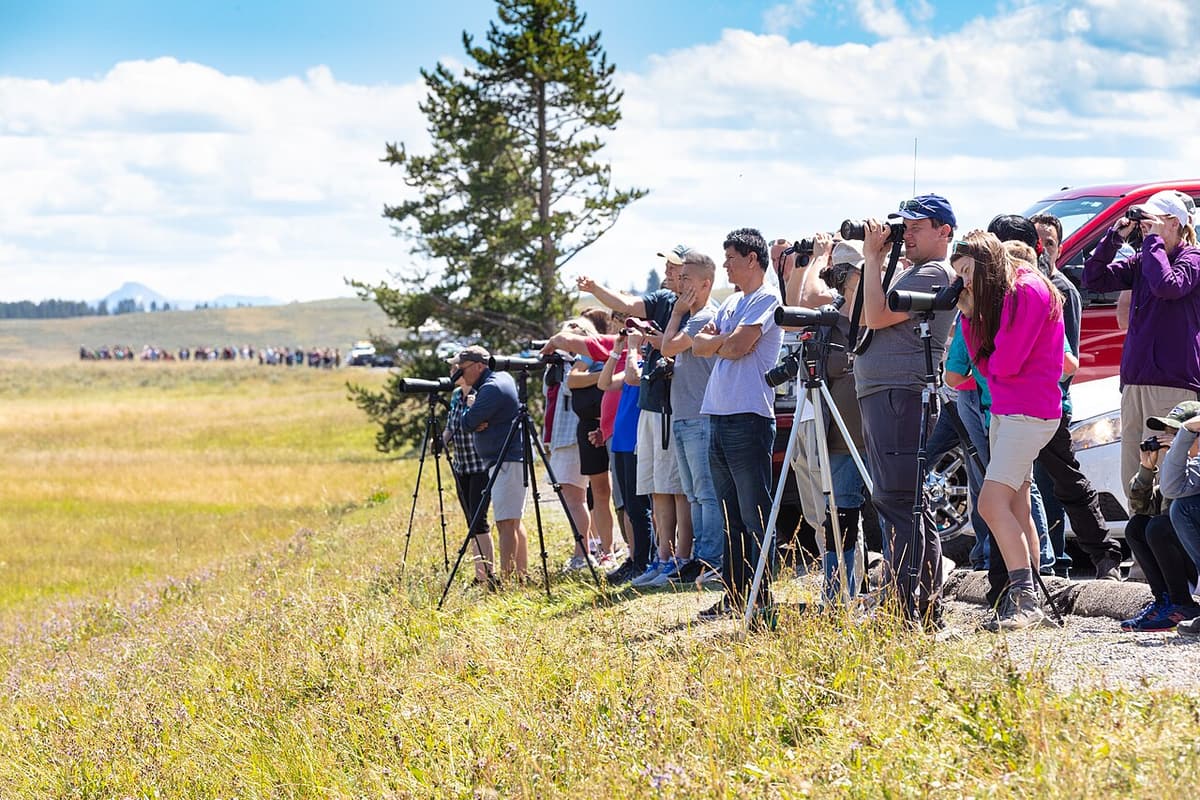 Multi-day tour from €2199
Yellowstone & Grand Tetons: 4-Day/3-Night Wildlife Adventure
A four-day guided trip through both parks with plenty of time for wildlife — bears, wolves, moose and more — and the main landmarks. It is expensive, but the reviews are excellent and the logistics are all handled.
- Grand Teton and Yellowstone
- Frequent wildlife stops: bears, wolves, moose
- Accommodation included
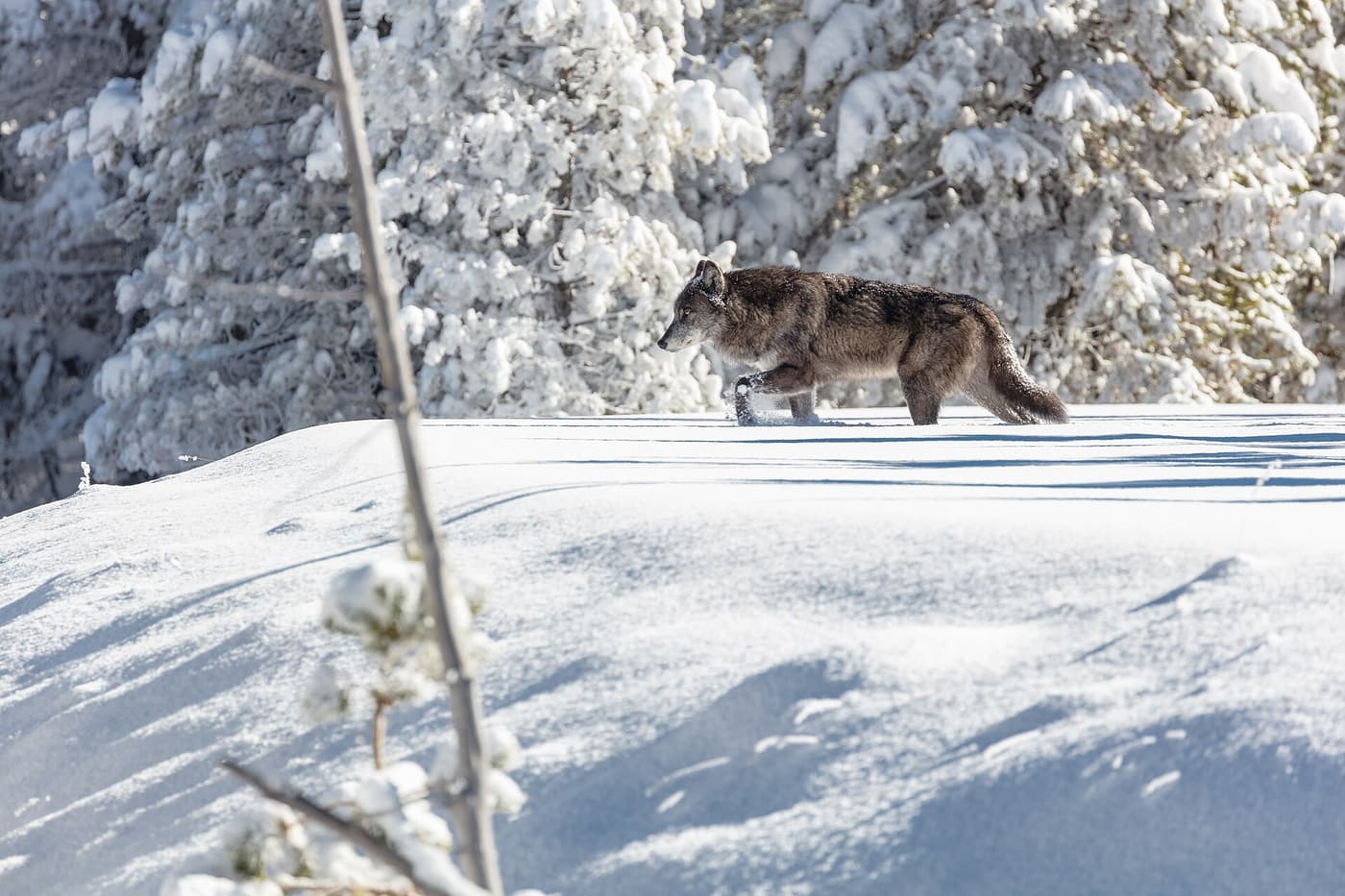 Private winter tour from €395
Yellowstone: Private Winter Wolf-Watching Safari
Winter is the best season to watch wolves against the snow, and the road to Lamar Valley stays open to cars. This private safari puts you with a guide who follows the packs. Few reviews yet, all five stars.
- Lamar Valley in winter
- Knowledgeable wolf guide
- Essentials provided
Bison: the most dangerous animal in the park
Bison look slow and placid. They are neither: they weigh up to about 2,000 pounds (900 kg) and can run three times faster than a person. Every year visitors are gored after walking up to them for a photo. Give them at least 25 yards — far more during the summer rut — and never get between a cow and her calf.
Bears and bear spray
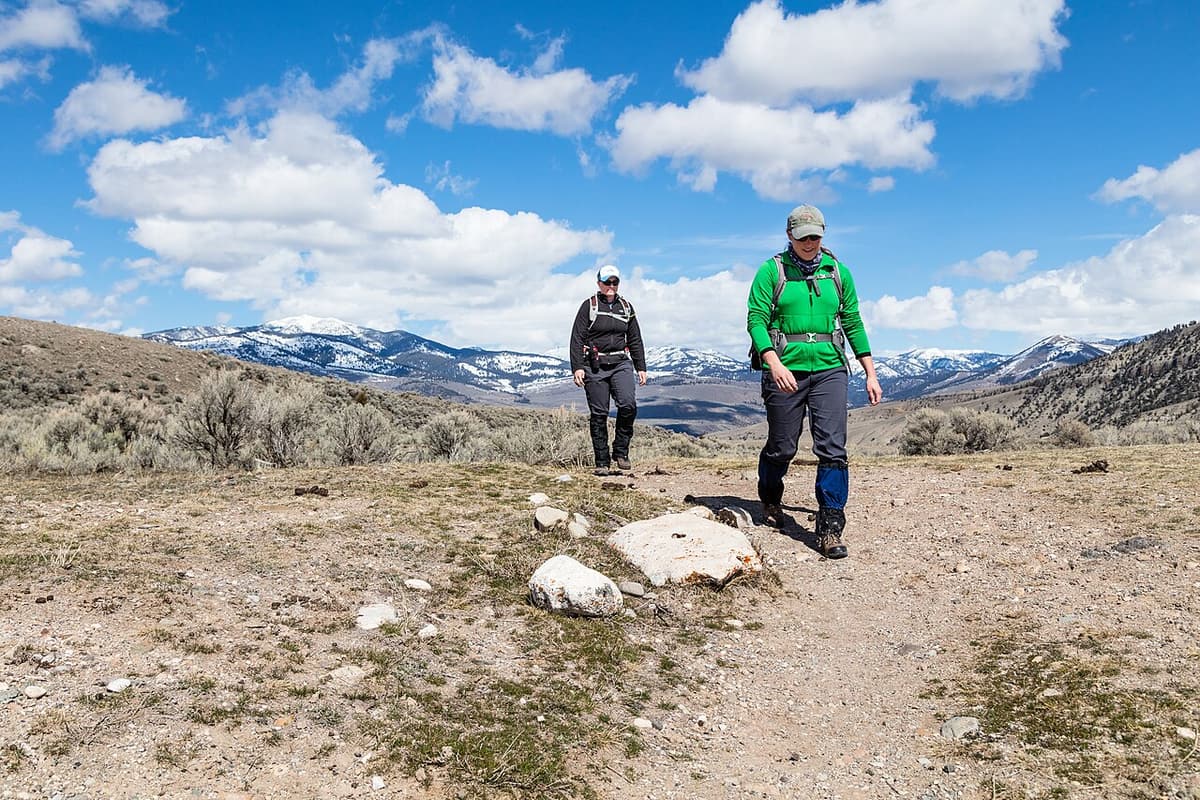
- Carry bear spray on any hike, keep it in a holster on your belt, not in your pack, and learn how to use it before you set out.
- You cannot take bear spray on a plane. Buy it in a gateway town or the park’s stores; rental options have also been available in the park.
- Hike in groups of three or more, make noise in thick cover and on blind corners, and avoid hiking at dawn, dusk or night.
- If you meet a bear, stay calm, do not run, and back away slowly. Follow the park’s guidance on encounters and charges.
- Some areas close seasonally for bear management — check trail closures before you go.
Thermal areas: the hidden danger
More people have died in Yellowstone’s hot springs than from bear attacks. The water in many features is close to or above boiling, and the ground beside them can be a thin crust over scalding water or acid. Stay on boardwalks and marked trails, keep children by the hand, never touch the water, and never let pets near thermal areas. Swimming or soaking in hot springs is illegal.
Other hazards
- Cold water: lakes and rivers are cold enough to cause hypothermia quickly. Strong currents make rivers dangerous.
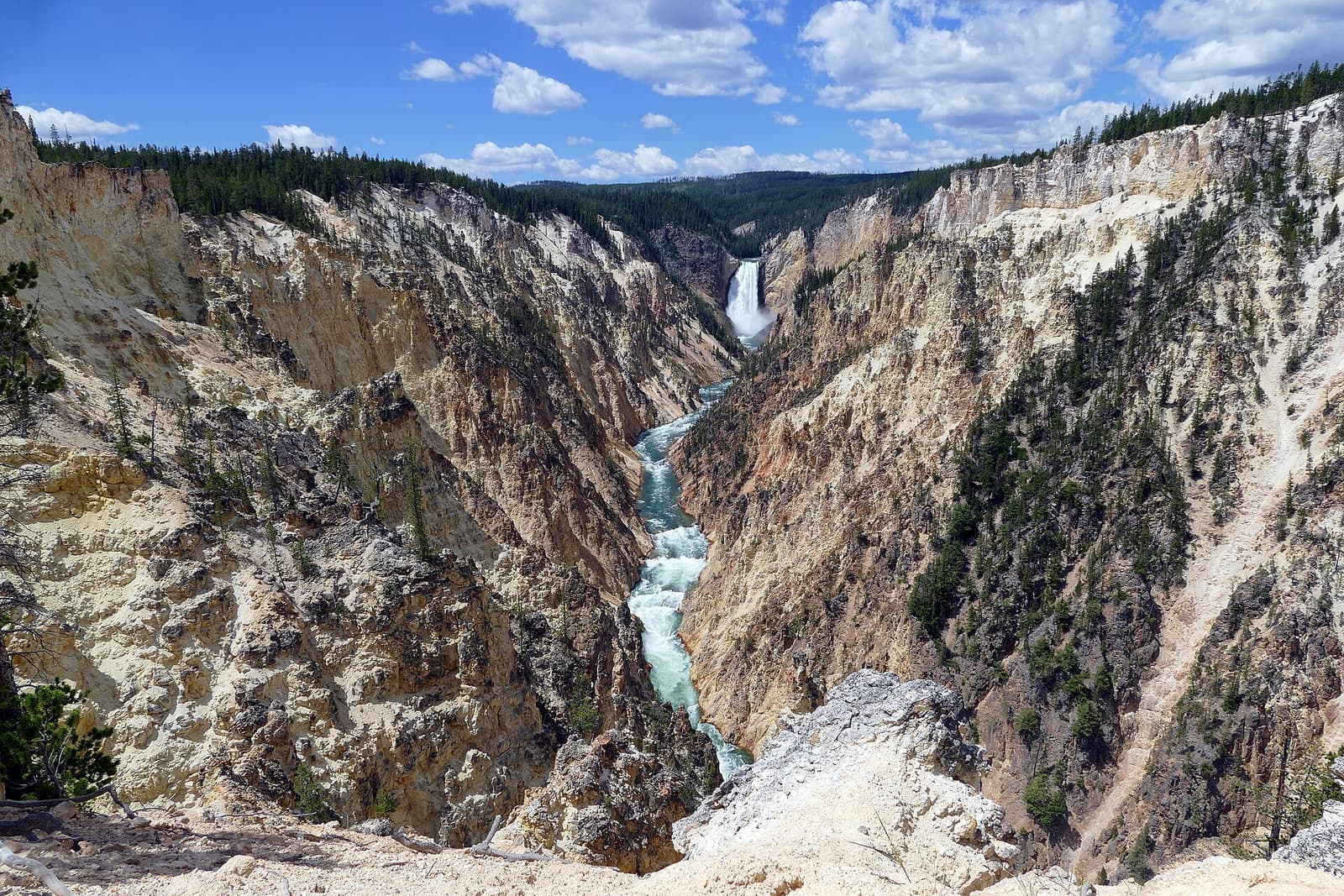
- Cliffs and canyon edges: stay behind railings at the canyon and waterfalls.
- Altitude and sun: drink water, pace yourself, wear sunscreen.
- Lightning: summer storms build quickly; leave exposed ridges early.
- Driving: animals on the road, especially at night; distracted drivers watching wildlife.