Yellowstone has a short summer and a long winter. Most visitors come between June and August, when every road is open and the lodges are running. But each season has its own reasons, and the best time depends on whether you care most about access, wildlife, crowds or snow.
The short answer
- Best overall: September — all roads open, fewer people, elk rut, cool clear days.
- Most reliable access: late June to August — everything open, longest days, busiest.
- Best for baby animals: May and early June — bison calves, bears out of hibernation; some roads still opening.
- Best for wolves and solitude: winter — mid-December to mid-March, by snowcoach or from the northern road.
- Hardest: November and the April shoulder, when most roads are closed to cars and oversnow travel has not started or has ended.
| Month | Roads & access | Weather (approx.) | Highlights |
|---|---|---|---|
| Jan–Feb | Only Gardiner–Cooke City road open to cars; oversnow tours to the interior | Very cold; highs often below freezing, nights far below | Wolves in Lamar, steaming geysers in snow |
| Mar | Oversnow season ends mid-month; then roads close for plowing | Cold, snowy | Last winter trips |
| Apr | From around the third Friday, roads from West and North begin reopening in stages | Cold, snow showers | Bears emerging, few visitors |
| May | Most roads open by mid- to late May; East and South entrances and Dunraven Pass later | Cool, mixed | Bison calves, quiet roads |
| Jun | All roads normally open | Mild days, cold nights | Wildflowers, waterfalls at full flow |
| Jul–Aug | All open; heavy traffic | Warmest; afternoon storms | Bison rut (late Jul–Aug), long days |
| Sep | All open | Crisp, often clear | Elk rut, fewer crowds |
| Oct | Open, but early storms; services closing | Cold, first snows | Golden aspens, rutting elk |
| Nov–mid-Dec | Most roads close to cars in early November | Winter arrives | Closed season for most of the park |
 Small-group day tour from €385
West Yellowstone: Yellowstone Day Tour Including Entry Fee for US Residents
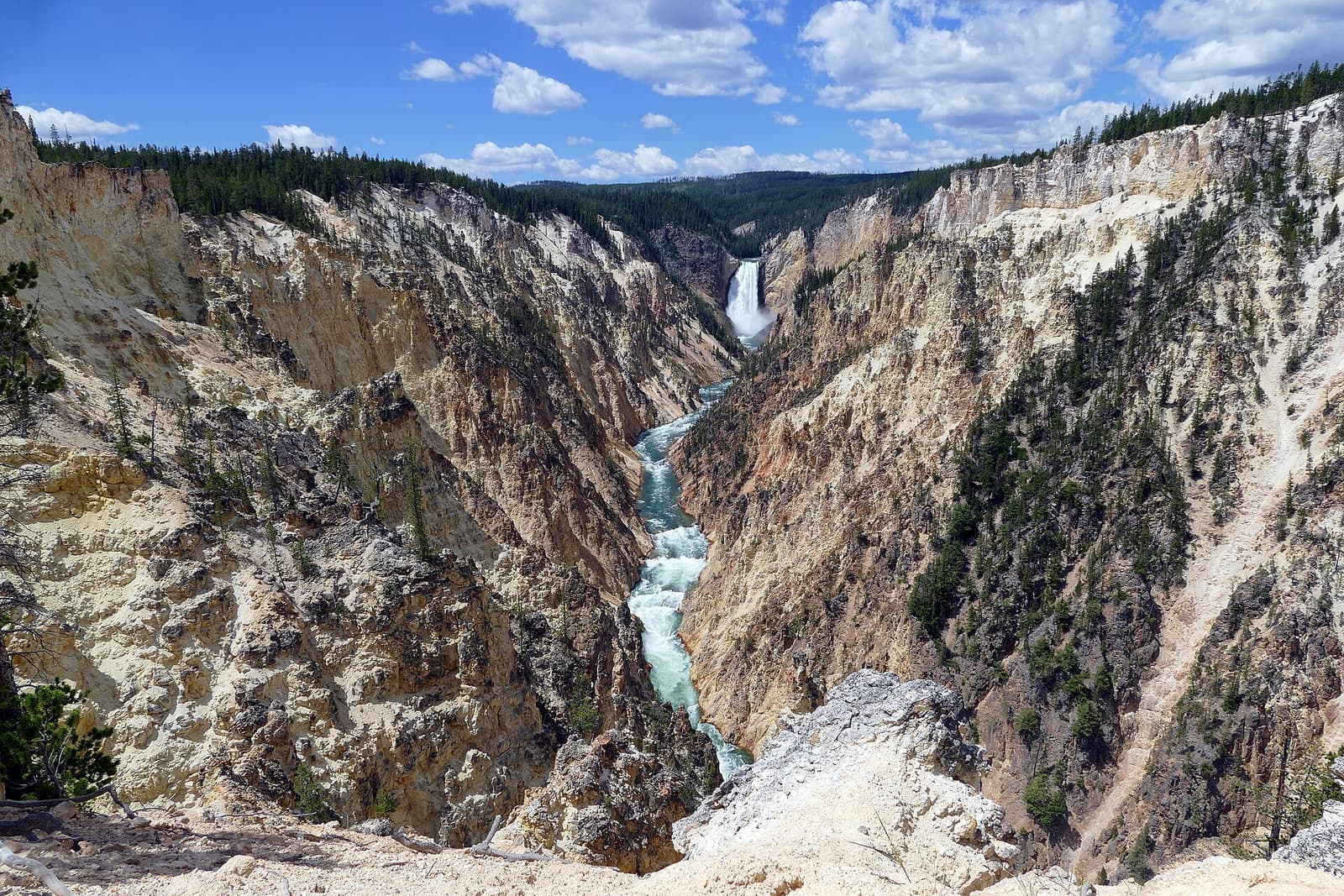
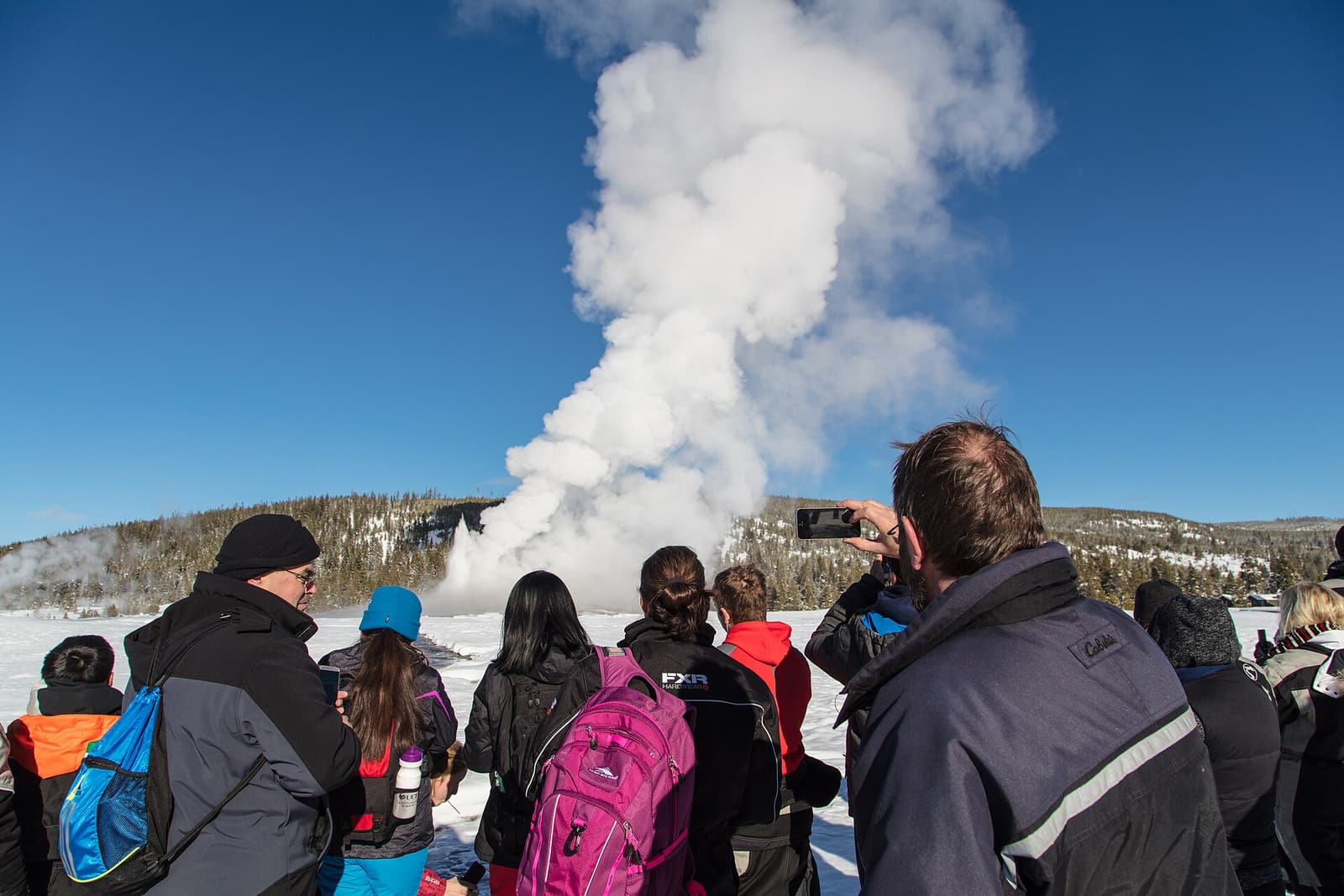
The most-booked day tour from the gateway town closest to the geyser basins, with hundreds of reviews. A guide drives the big sights of the lower loop — Old Faithful, the Grand Canyon of the Yellowstone and the wildlife of Hayden Valley — so you can watch for animals instead of the road. Read the listing for what the entrance fee covers for visitors from abroad.
- Old Faithful, the canyon waterfalls and Hayden Valley
- Park entry included for US residents — check the listing if you are not
- Starts minutes from the West Entrance
 Naturalist-led wildlife tour from €292
From West Yellowstone: Lamar Valley Wildlife Tour by Van
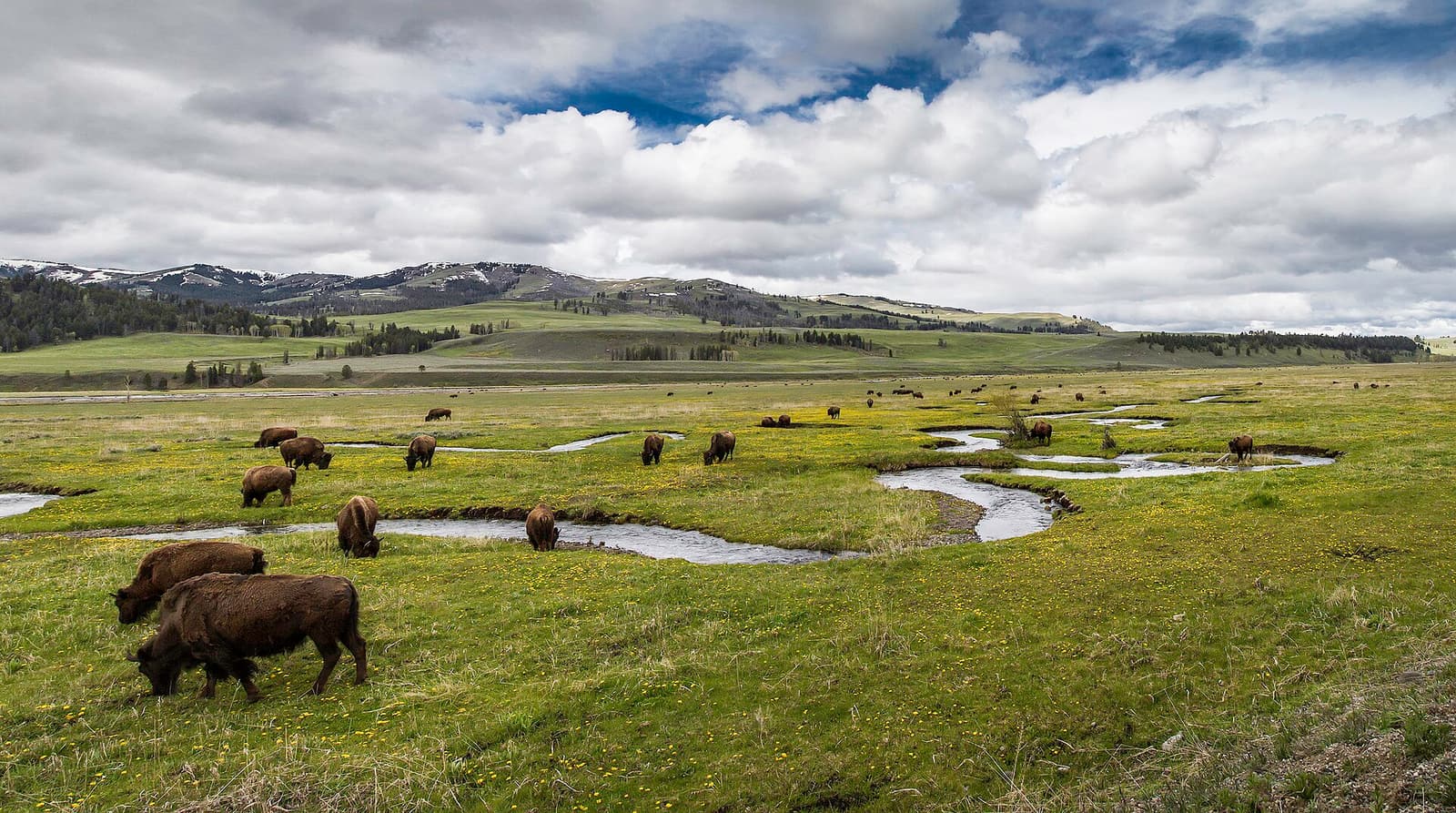
Lamar Valley is a long drive from West Yellowstone, and this tour makes it worthwhile: a naturalist guide brings spotting scopes and binoculars and knows where to look for wolves, bears, bison and pronghorn. Strong reviews.
- Naturalist guide
- High-powered spotting scopes and binoculars
- Van with large windows
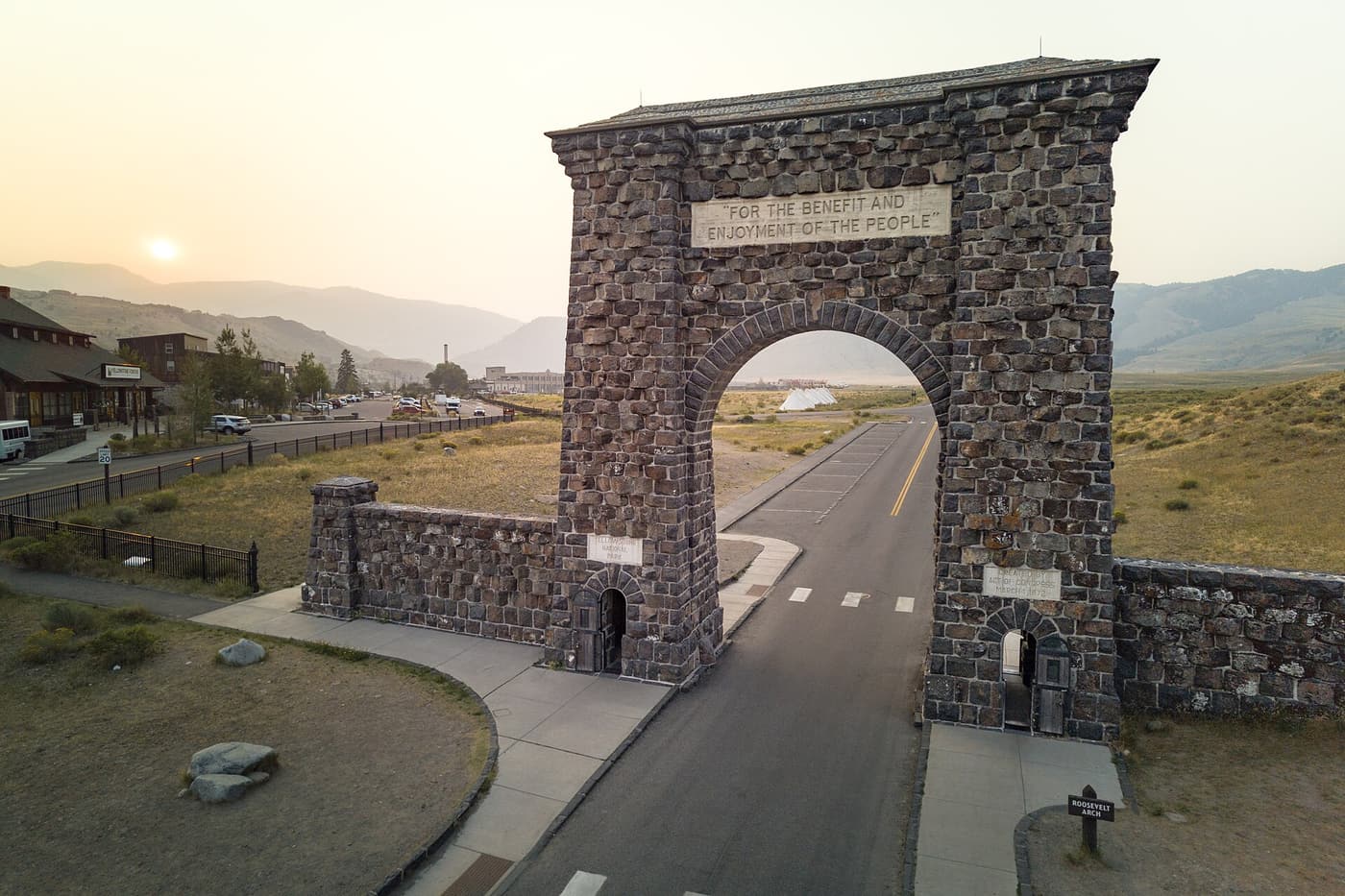 Whitewater rafting from €95
Gardiner: Yellowstone River Half-Day Whitewater Rafting
A short, splashy run down the Yellowstone River just outside the park with a certified guide. Easy to fit into a day based in Gardiner, and one of the best-reviewed activities in town.
- Rapids on the Yellowstone River
- Certified safety guide
- Short and family-friendly
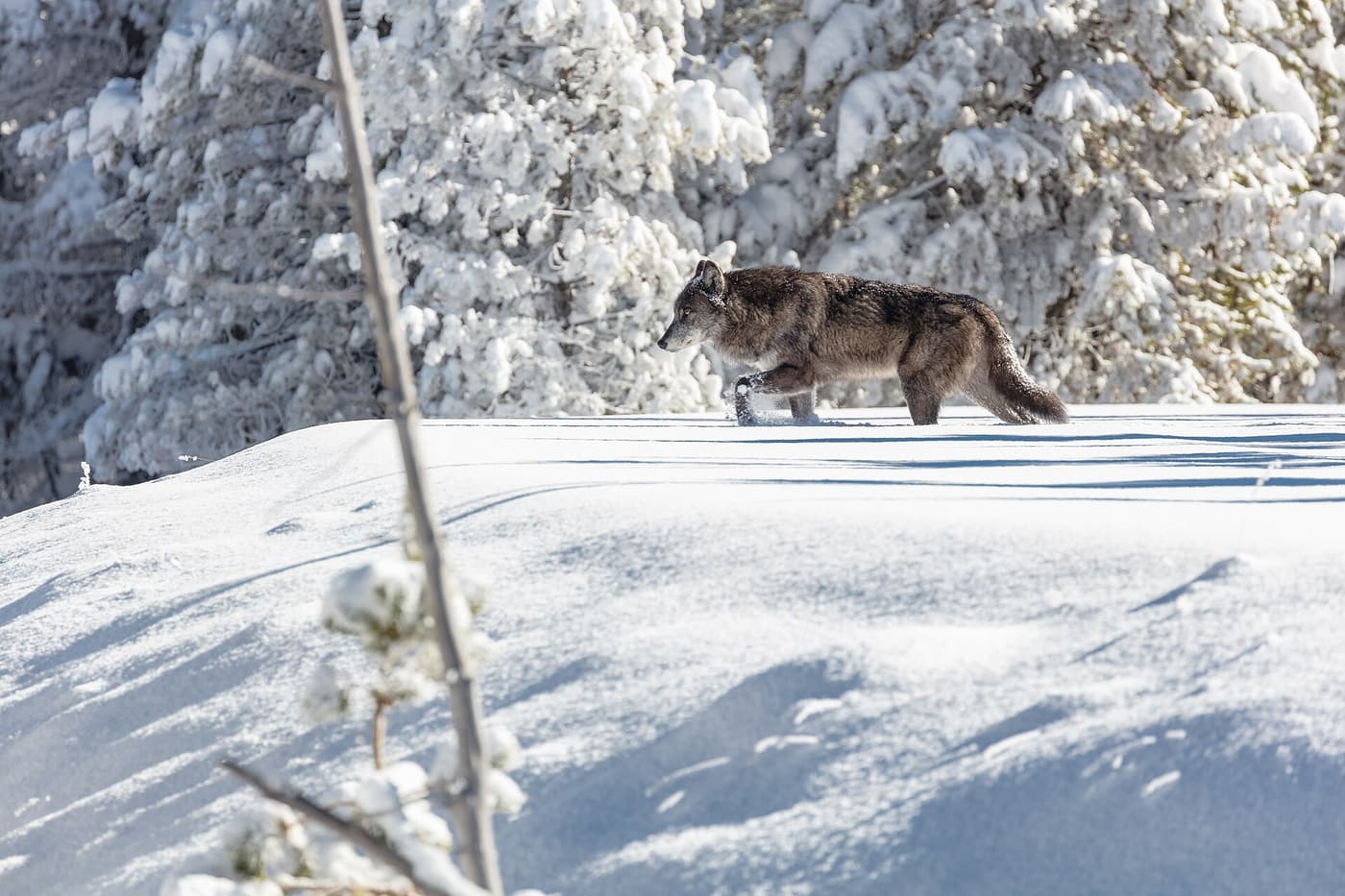 Private winter tour from €395
Yellowstone: Private Winter Wolf-Watching Safari
Winter is the best season to watch wolves against the snow, and the road to Lamar Valley stays open to cars. This private safari puts you with a guide who follows the packs. Few reviews yet, all five stars.
- Lamar Valley in winter
- Knowledgeable wolf guide
- Essentials provided
 Winter wildlife tour from €292
From Big Sky and Bozeman: Yellowstone Winter Wildlife Tour
A winter day in the Lamar Valley with spotting scopes and binoculars and a hearty picnic lunch while you watch. New on GetYourGuide.
- Lamar Valley in winter
- Spotting scopes and binoculars
- Picnic lunch
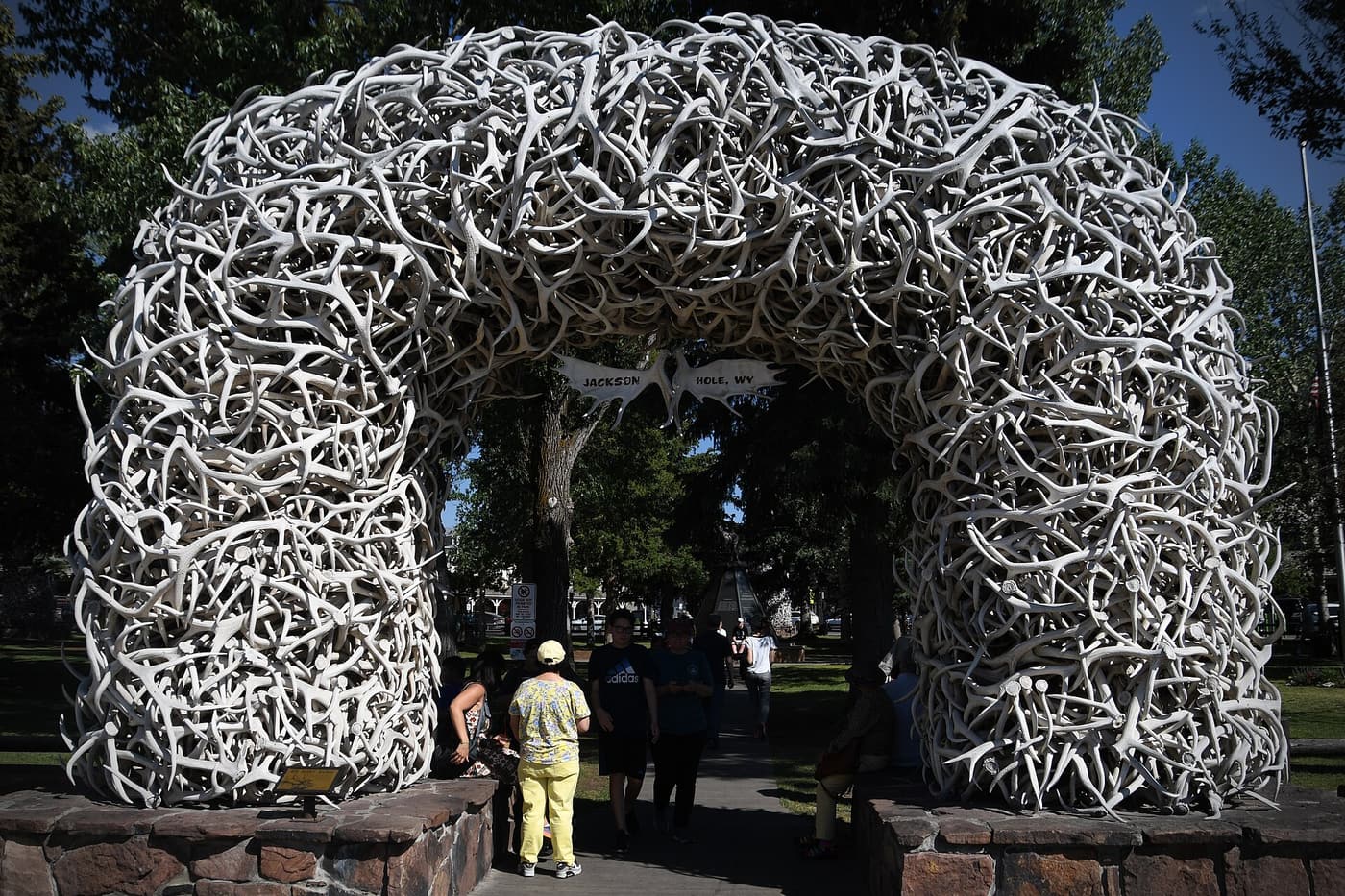 Winter day tour from €219
Jackson: Grand Teton and National Elk Refuge Winter Day Trip
A winter day from Jackson: wildlife watching in Grand Teton from an enclosed, heated vehicle, lunch in a restaurant, then a horse-drawn sleigh ride among the thousands of elk that winter on the National Elk Refuge.
- Winter wildlife in a heated vehicle
- Restaurant lunch
- Horse-drawn sleigh ride on the National Elk Refuge
Opening and closing dates are set each year and depend on snow and construction; treat these as typical patterns, and check the park’s road status page before you go.
Summer (June to August)
Everything is open: every road, lodge, campground and visitor center, plus boat tours, rafting and ranger programmes. Days are long and mostly warm, with afternoon thunderstorms. The catch is crowds — car parks at Old Faithful, Midway and Artist Point fill by mid-morning, and the West Entrance can queue. Start at dawn and you will avoid most of it. Book rooms and tours well ahead.
Autumn (September to October)
For many regulars, the best season. The crowds thin after Labor Day, the light is clear, and elk bugle at Mammoth and along the Madison River. Nights are cold and the first snow can fall in September; by mid-October some services close, and the roads usually shut to cars in early November.
Spring (April to early June)
Roads reopen in stages from mid-April — usually the west and north first, the east, south and Dunraven Pass later. It is the season of newborn bison calves, bears hungry after hibernation and wolves on the move. Snow lingers on trails and boardwalks well into June, and some facilities are not yet open.
Winter (mid-December to mid-March)
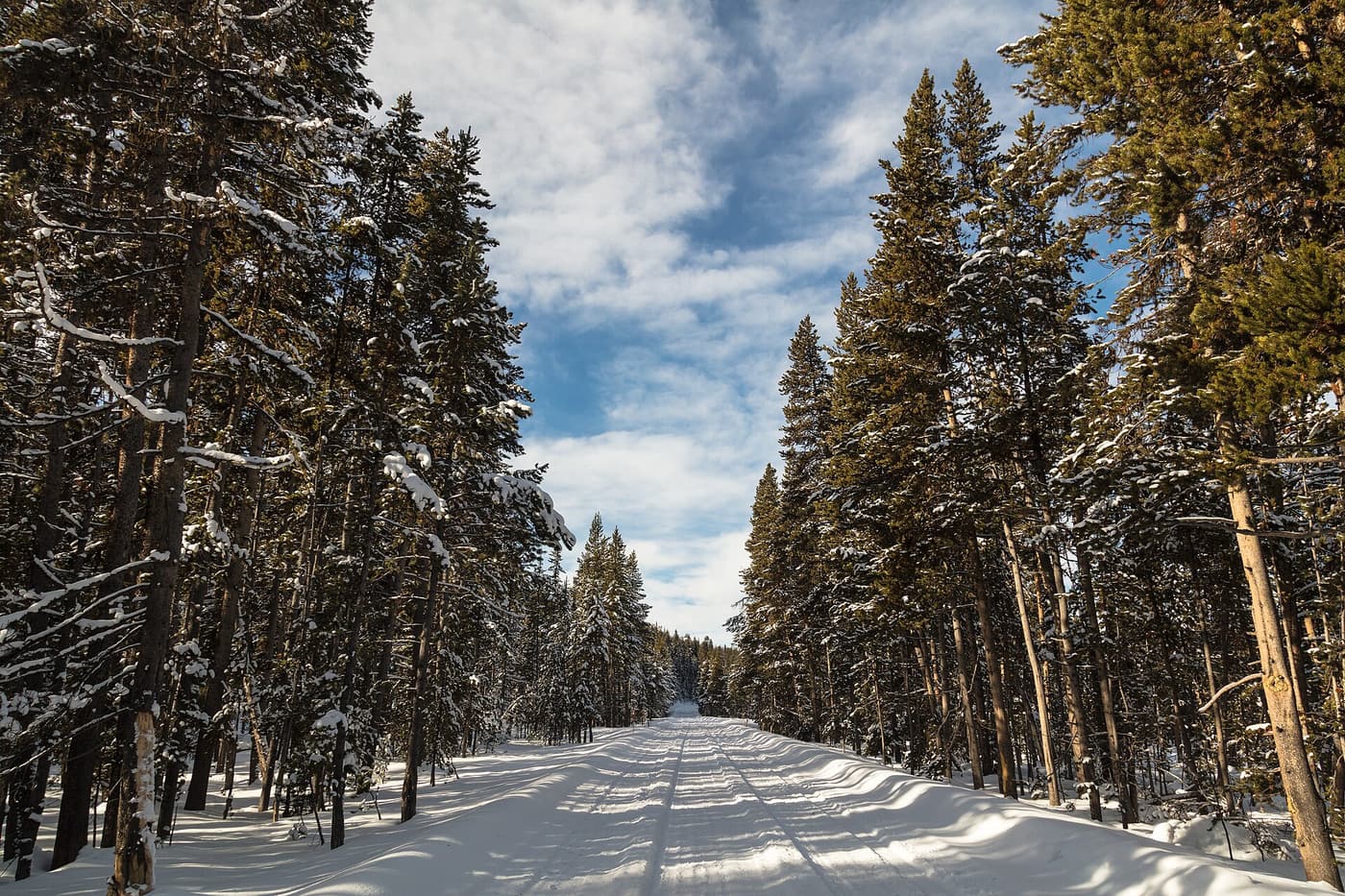
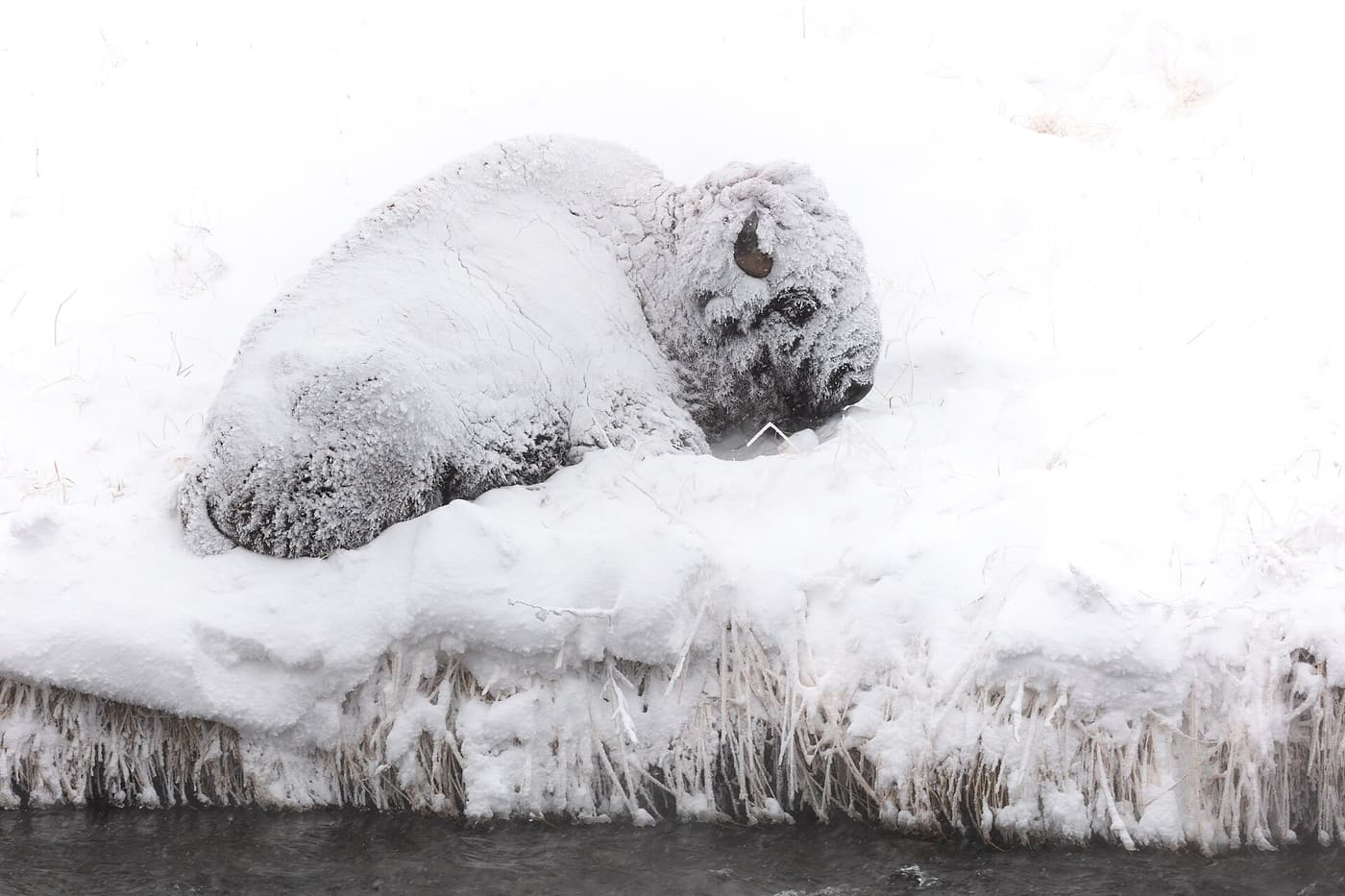
Yellowstone in winter is a different park: geysers steam in sub-zero air, bison grow coats of frost and wolves are easiest to see against the snow. The interior roads are groomed for snowcoaches and guided snowmobiles; the only road open to cars runs from Gardiner through Mammoth and Lamar Valley to Cooke City. Read Yellowstone in winter.